Preserving Character and Comfort: The Benefits of Using Sliding Sash Windows in Historic Buildings
When it comes to historic buildings, every detail matters. From ornate cornices to hand-crafted brickwork, the features that define period properties are their soul. Among these, sliding sash windows hold a special place. For centuries, they have adorned the facades of Georgian, Victorian, and Edwardian homes, offering both elegance and practicality. But what are the true benefits of using sliding sash windows in historic buildings? In this article, we will explore how these windows go far beyond aesthetics, playing a vital role in heritage conservation, energy efficiency, safety, and more.
The Architectural Significance of Sliding Sash Windows in History
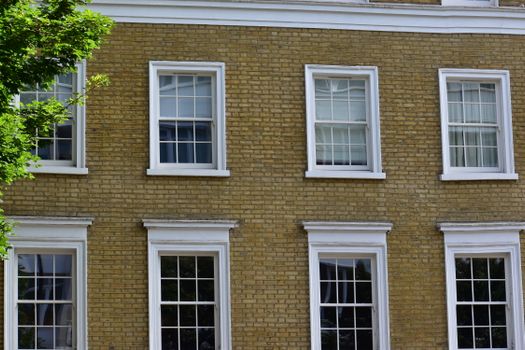
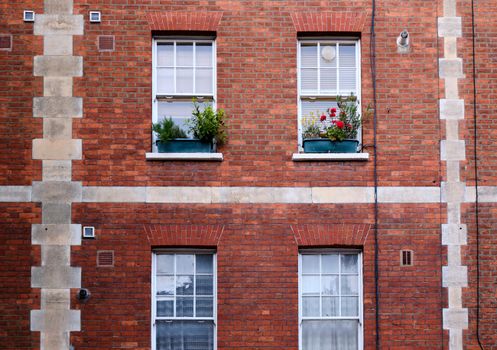
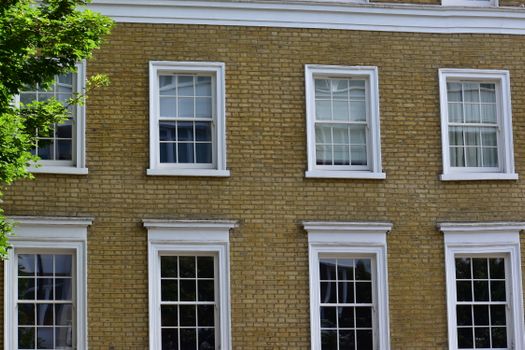
Sliding sash windows, first introduced in England in the late 17th century, quickly became the hallmark of refined architecture. Their classic vertical sliding mechanism replaced the earlier hinged casements, enabling architects to create larger, more symmetrical window openings. By the 18th and 19th centuries, sash windows were the standard for prestigious townhouses, country estates, and public buildings.
.png)
Their design is not merely decorative. The slim glazing bars, or "muntins," and balanced proportions of sash windows were central to the visual harmony of Georgian and Victorian streetscapes. The Royal Institute of British Architects (RIBA) has noted that over 80% of listed buildings in the UK feature original sash windows, underscoring their importance.
Retaining or reinstating sliding sash windows helps keep the authentic look and feel of a historic building intact. Modern alternatives, such as uPVC casements, often disrupt the visual continuity, risking a loss of heritage value and even affecting property value in conservation areas.
Energy Efficiency and Improved Comfort
One of the misconceptions about traditional sash windows is that they are inherently draughty and inefficient. While original single-glazed sashes can be prone to air leakage, advancements in window refurbishment and double-glazing technology have changed the equation.
Today, restored or sympathetically upgraded sliding sash windows can significantly improve energy efficiency in historic buildings. According to Historic England, draught-proofing original sash windows can reduce heat loss by up to 86%. Modern slimline double glazing, which fits discreetly into original timber frames, further enhances insulation without compromising appearance.
Here is a comparative overview of different window options in historic properties:
| Window Type | U-Value (W/m²K) | Visual Authenticity | Suitability for Listed Buildings |
|---|---|---|---|
| Original Single-Glazed Sash | ~5.0 | Excellent | Highly suitable |
| Draught-Proofed Single-Glazed Sash | ~3.6 | Excellent | Highly suitable |
| Slimline Double-Glazed Sash | ~1.5-2.0 | Excellent | Generally suitable (subject to approval) |
| Modern uPVC Casement | ~1.3 | Poor | Rarely permitted |
By investing in the repair and upgrade of traditional sash windows, owners of historic properties can meet modern comfort standards, reduce energy bills, and help lower carbon emissions, all without sacrificing architectural heritage.
Ventilation, Health, and Practicality
Unique among window designs, sliding sash windows offer remarkable flexibility in ventilation. The classic "double-hung" mechanism allows both the top and bottom sashes to open, creating a convection current: cool air enters below, while warm air escapes above. This natural airflow provides effective ventilation without the need for mechanical systems.
This feature was especially valued in the 19th century when concerns about indoor air quality and health were paramount. In fact, during the Victorian era, the design of sash windows was promoted as a means of reducing the spread of airborne diseases in crowded cities.
Today, this benefit remains relevant. The ability to finely adjust ventilation helps combat condensation, damp, and overheating. For example, a study by the Building Research Establishment (BRE) found that houses with operable sash windows had 20% lower humidity levels in winter than those with sealed modern windows.
Moreover, sliding sashes are practical for cleaning and maintenance. Many modern sash windows feature a "tilt" function, allowing the panes to pivot inward for safe cleaning from inside the property—a crucial advantage for tall period homes.
Conservation, Value, and Regulatory Compliance
Preserving original features in historic buildings is not just about aesthetics—it's often a legal requirement. In the UK alone, there are over 500,000 listed buildings, each subject to strict controls under the Planning (Listed Buildings and Conservation Areas) Act 1990. Local authorities and Historic England typically require that original sash windows be retained or replaced "like-for-like" to protect heritage value.
Maintaining or reinstating sliding sash windows can have a direct impact on property value. According to a 2023 report by Savills, homes in conservation areas with well-maintained period windows sell for up to 15% more than those with unsympathetic replacements. This reflects both the desirability of authentic features and the demand from buyers seeking character.
Furthermore, properly conserved sash windows can help secure grants and funding for building maintenance. Organisations such as the Heritage Lottery Fund and Historic England often prioritise projects that retain original joinery and craftsmanship.
Environmental Sustainability and Material Longevity
Timber sash windows, when properly maintained, can last for generations. Unlike modern uPVC alternatives, which typically have a lifespan of 15-25 years, well-cared-for timber sashes can survive for over a century. There are documented examples of sash windows in Georgian homes still functioning after 200 years.
This longevity is not just about durability—it also makes sash windows a more sustainable choice for historic buildings. Timber is a renewable resource, and traditional repair techniques allow for the replacement of damaged parts, rather than entire units. According to the Wood Window Alliance, refurbishing timber windows uses up to 40% less embodied energy than installing new replacements.
Additionally, the use of natural materials aligns with the principles of conservation and sustainable retrofitting, helping historic buildings meet modern environmental standards while minimising waste.
Enhancing Security in Period Properties
Security is a common concern for owners of historic properties. Fortunately, modern adaptations to sliding sash windows can offer substantial improvements without detracting from their period charm. Advanced locking mechanisms, laminated glass, and reinforced meeting rails provide resistance to forced entry.
The Metropolitan Police’s Secured by Design initiative recognises that properly upgraded sash windows, with multi-point locks and toughened glass, can meet or exceed security standards for modern homes. This combination of authenticity and protection is particularly valuable in urban areas, where balancing heritage and safety is essential.
Final Thoughts on the Benefits of Sliding Sash Windows in Historic Buildings
Sliding sash windows are far more than just a traditional feature—they are an integral part of what makes historic buildings so special. From their elegant proportions and natural ventilation to their adaptability for energy efficiency and security, sash windows offer a unique blend of historic authenticity and modern comfort.
Choosing to retain, restore, or sympathetically upgrade sliding sash windows is not only an investment in the past, but also a practical decision for the future. By preserving these iconic features, we safeguard both the character and the value of heritage properties for generations to come.