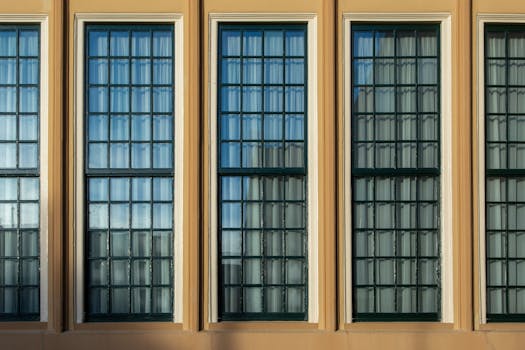
Sliding sash windows are a beloved architectural feature in countless historic and modern homes, especially across the UK. Their classic elegance, smooth operation, and ability to provide both ventilation and insulation make them a perennial favourite. However, homeowners are often faced with a critical question: when is it necessary to go beyond routine repairs and actually replace the frame of sliding sash windows? Understanding the right time to invest in frame replacement can protect your property’s value, maintain its character, and ensure long-term comfort.
This guide explores the warning signs, key considerations, and practical factors influencing the decision to replace a sliding sash window frame. By the end, you’ll be equipped with the knowledge to make the right choice for your home’s longevity and beauty.
The Role of the Frame in Sliding Sash Window Performance
The frame in any sliding sash window is more than just a border; it’s the backbone of the entire window unit. It supports the sashes (the moving parts), ensures smooth operation, and provides a crucial barrier against the elements.
.png) A well-maintained frame:
- Maintains the integrity of the window’s shape and alignment
- Ensures smooth sliding of the upper and lower sashes
- Prevents drafts, water ingress, and heat loss
- Supports security features and locks
A well-maintained frame:
- Maintains the integrity of the window’s shape and alignment
- Ensures smooth sliding of the upper and lower sashes
- Prevents drafts, water ingress, and heat loss
- Supports security features and locks
According to the Glass and Glazing Federation, up to 25% of household heat loss occurs through poorly fitted or degraded windows, with the frame often being a primary culprit. If the frame fails, the whole window’s function, efficiency, and security are compromised.
Common Causes of Frame Deterioration in Sliding Sash Windows
Understanding the typical causes of frame failure can help you identify issues early and know when repairs are no longer sufficient.
1. Timber Decay: Traditional sash window frames are often made from softwoods like pine. Over time, exposure to moisture can cause rot, especially in poorly painted or sealed frames. According to Historic England, timber windows exposed to the elements without regular maintenance can start showing signs of rot within 10-15 years. 2. Insect Infestation: Woodworm and other pests can bore into the timber, weakening the structure from the inside out. Severe infestations can go unnoticed until visible damage or wobbly frames appear. 3. Structural Movement: Older properties often settle over decades, causing frames to warp, twist, or crack. Even a small misalignment can cause sashes to stick or rattle. 4. Water Penetration: Leaky frames can allow water to seep into the wall cavity, resulting in damp, mould, and even brickwork damage. 5. Modern Material Failure: Newer frames made from uPVC or aluminium are more resistant to rot and insects but can still deteriorate. uPVC can warp in intense heat, while aluminium may corrode in coastal environments.Warning Signs That Frame Replacement Is Necessary
While minor repairs can extend the life of sash window frames, there are clear signs that full frame replacement is the safer, more economical path:
- Extensive Rot: Large, soft, or crumbling areas cannot be reliably patched. If more than 20% of the frame is affected, replacement is usually advised. - Severe Warping or Bowing: If the frame is visibly distorted, the sashes may no longer slide properly or seal against drafts. - Persistent Damp or Mould: Repeated issues with condensation, damp patches around the frame, or black mould indicate a deeper problem with the frame’s integrity. - Failed Repairs: If previous repairs (filler, splices, or resin) are failing, or if cracks repeatedly reappear, ongoing patchwork may become costlier than replacement. - Security Concerns: Loose, split, or weakened frames can be a target for burglars, especially if locks and latches cannot be securely fitted. - Poor Energy Performance: Noticeable cold spots, high energy bills, or persistent drafts suggest the frame is no longer providing an adequate barrier.A professional assessment is always recommended. Sash window specialists use moisture meters, endoscopes, and structural checks to confirm the extent of damage.
Repair vs. Replacement: A Cost-Benefit Analysis
Before deciding on full frame replacement, it’s wise to weigh the costs and benefits compared to repair. The table below provides a high-level comparison based on typical UK prices and outcomes.
| Factor | Repair | Full Frame Replacement |
|---|---|---|
| Average Cost per Window (2024) | £150 - £500 | £800 - £2,000 |
| Expected Lifespan Gained | 5-10 years | 30+ years |
| Disruption to Home | Minimal (few hours) | Moderate (1-2 days) |
| Energy Efficiency Improvement | Moderate | High |
| Impact on Home Value | Limited | Significant, especially in period homes |
It’s clear that while repairs may seem cheaper in the short term, repeated fixes can quickly add up. Full frame replacement offers a longer-term solution, especially when energy performance and property value are taken into account.
When Is Frame Replacement Essential in Heritage and Listed Properties?
Sliding sash windows are often defining features in period properties, particularly in conservation areas or listed buildings. While preserving original materials is always preferable, there are situations where frame replacement becomes a necessity:
- Structural Instability: If the frame is so decayed or damaged it can no longer support the sashes, or it poses a safety risk, replacement is unavoidable. - Damp Penetration: In cases where frames are allowing water into the building fabric, causing ongoing damp or rot in surrounding walls, frame replacement may be required to prevent further damage. - Regulatory Requirements: Local authorities may insist on frame replacement to meet safety, insulation, or accessibility standards, especially if the existing frames cannot be upgraded or repaired to required levels. - Irretrievable Loss of Character: Where previous unsympathetic repairs (such as clumsy uPVC inserts) have destroyed the window’s historic appearance, replacing with accurate timber replicas can restore the property’s value and visual harmony.In all cases, it’s important to consult conservation officers and use specialist sash window joiners experienced in heritage work. Modern frame replacements can be expertly crafted to match original profiles, horn details, and glazing bars, ensuring compliance with planning regulations.
Material Choices for Replacement Sash Window Frames
If replacement is necessary, the choice of frame material has a profound impact on performance, appearance, and longevity. Here’s a quick overview of the main options:
- Engineered Timber: Modern techniques use layers of hardwoods or treated softwoods to create frames that resist rot and warping far better than traditional solid timber. Lifespans of 30-50 years are common with regular maintenance. - Accoya: This modified timber is highly durable and resistant to rot, with an expected lifespan of up to 60 years. Accoya frames are popular in conservation areas where authenticity and longevity are required. - uPVC: Low-maintenance and budget-friendly, uPVC frames are widely used in newer homes. However, they may not be permitted in listed properties, and their appearance is less authentic. - Aluminium: Lightweight and durable, aluminium frames are a modern option for contemporary homes but are rarely suitable for period properties due to their sleek look.When selecting a material, consider not only durability and cost, but also aesthetics, planning restrictions, and environmental impact. According to the Wood Window Alliance, timber frames can be up to 60% less carbon-intensive over their lifetime compared to uPVC.
Planning and Installing a Replacement Frame: What to Expect
A successful sash window frame replacement involves more than just swapping out the old for the new. Homeowners should expect:
1. Site Assessment: A professional will inspect the window, check for structural issues, measure accurately, and assess surrounding masonry. 2. Planning Permission: In listed buildings or conservation areas, consent may be needed before work begins. 3. Custom Manufacturing: Replacement frames are often custom-made to match existing details and dimensions. This can take several weeks. 4. Installation: Old frames are carefully removed, any rotten timber or damaged masonry is repaired, and the new frame is installed with precision. Double-glazing upgrades can often be incorporated at this stage. 5. Finishing Touches: Frames are primed, painted or finished, and new ironmongery (locks, sash lifts, pulleys) is fitted.A professional installation ensures that the new frame not only looks right, but also delivers the promised improvements in security, energy efficiency, and longevity.
Final Thoughts on Replacing Sliding Sash Window Frames
Knowing when to replace the frame of your sliding sash windows is a crucial part of caring for your property. While repairs and maintenance can extend a frame’s life, certain warning signs indicate it’s time for a more substantial investment. Frame replacement ensures your windows remain functional, efficient, and secure for decades to come, while also protecting your home’s character and value.
Always seek professional advice, especially if your home is listed or in a conservation area. With the right approach and materials, a new sash window frame can blend seamlessly with your home’s history while delivering modern performance benefits.