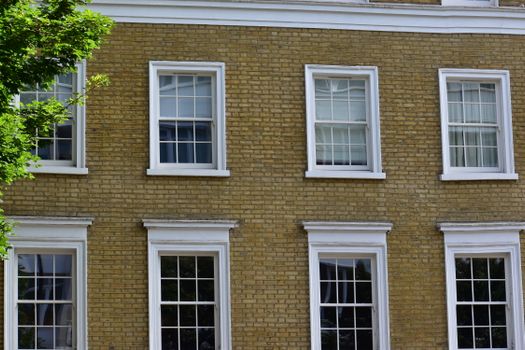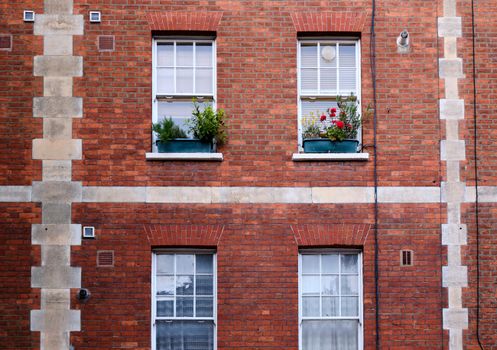
Edwardian sash windows stand as an enduring symbol of architectural grace and artisanal skill. Their elegant lines, meticulous joinery, and balanced proportions speak volumes about a bygone era when craftsmanship was paramount. To truly appreciate these windows is to understand not only their aesthetic appeal but also the careful handiwork and thoughtful engineering that went into their creation. This article explores the artistry, materials, and technical ingenuity behind Edwardian sash windows, revealing why they remain treasured features in homes across the UK and beyond.
The Historical Context: Edwardian Era and Architectural Trends
The Edwardian era, spanning from 1901 to 1910 under the reign of King Edward VII, was a time of significant transition in British architecture. Moving away from the ornate excesses of the Victorian period, Edwardian design embraced lightness, simplicity, and a return to classical influences. This shift was reflected in home construction, where larger windows, more generous proportions, and an emphasis on natural light became hallmarks of the time.
Edwardian sash windows differ from their Georgian and Victorian predecessors in several key ways. While Georgian windows (1714–1837) typically featured smaller panes and strict symmetry, and Victorian windows (1837–1901) often included heavy ornamentation, Edwardian designs introduced wider panes, fewer glazing bars, and more restrained decorative touches. These changes were not purely stylistic—they also reflected advancements in glass manufacturing, allowing for larger, clearer panes.
.png)
According to Historic England, over 5 million homes in the UK were built during the Edwardian period, many featuring sash windows emblematic of the era’s design principles. These windows, with their distinctive proportions and subtle details, continue to define the character of Edwardian homes more than a century later.
Materials and Construction: The Heart of Edwardian Craftsmanship
The craftsmanship of Edwardian sash windows begins with a careful selection of materials. The most common timber used was slow-grown European pine, prized for its durability and fine grain. In more prestigious homes, hardwoods such as oak or mahogany were also employed, lending extra longevity and a luxurious finish.
Each sash window comprises several key components: the frame, sashes (the movable panels), glazing bars, and intricate joinery. The joinery was typically done by hand, using traditional mortise and tenon joints—an age-old technique that provides both strength and flexibility to accommodate natural wood movement over time.
Glass technology had evolved by the Edwardian period, allowing for the use of larger panes. Instead of the small, multi-paned windows of earlier centuries, Edwardian sashes often featured just two or four larger panes per sash, separated by slender glazing bars. These bars were usually made from the same timber as the frame and carefully moulded for a refined appearance.
A study by the Royal Institute of British Architects (RIBA) notes that original Edwardian sash windows can last up to 150 years if properly maintained, a testament to the quality of materials and craftsmanship invested in their production.
The Engineering Behind Smooth Sliding Sashes
One of the defining features of sash windows is their ability to slide open and closed with ease. This smooth operation is the result of precise engineering, honed through decades of innovation.
Edwardian sash windows typically utilize a counterweight and pulley system. Each sash is connected by cords to weights concealed within the window frame. These weights are carefully matched to the sash’s size and mass, allowing the window to remain open at any height without slipping or sticking.
The pulleys themselves are small marvels of engineering. Made from brass or cast iron, they are designed to minimize friction and withstand decades of use. The sash cords, traditionally woven from flax or cotton, are robust yet flexible, ensuring a long service life.
Weatherproofing was another area where Edwardian craftsmen excelled. Windows were fitted with parting beads and draught strips to minimize air infiltration, a significant concern in the UK’s often chilly climate. While not as advanced as modern double glazing, these features provided a level of comfort and efficiency that was state-of-the-art for the time.
Design Details: Proportions, Ornamentation, and Glazing Patterns
Edwardian sash windows are easily recognized by their distinctive proportions and decorative restraint. They are generally wider and taller than earlier sash windows, with larger panes and slimmer glazing bars that maximize natural light. This reflects the Edwardian preference for bright, airy interiors—a marked change from the darker, more enclosed Victorian rooms.
Ornamentation in Edwardian sash windows is subtle yet elegant. Architraves (the moulded frames surrounding the window) often feature gentle curves or understated detailing, while the meeting rails (where the two sashes meet) are carefully shaped for a snug fit and graceful appearance. Horns—small projections at the corners of the upper sash—were added to reinforce the structure and serve as a decorative flourish.
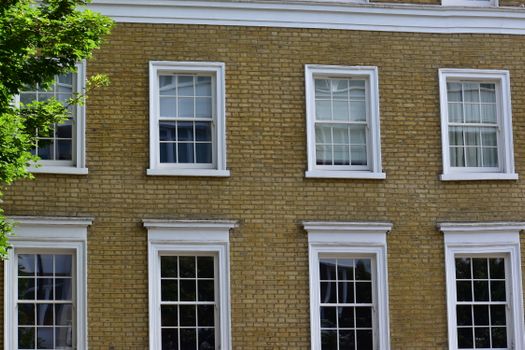
Glazing patterns also evolved during this period. While earlier designs favored many small panes, the Edwardian sash often features a “six over two” or “four over one” layout—meaning six panes in the upper sash and two in the lower, or four in the upper and one large pane below. This allows for better views and increased daylight, while still maintaining an element of traditional charm.
Edwardian Sash Windows vs. Other Period Sash Windows: A Comparative Overview
Understanding the differences between sash window styles across eras helps highlight the unique craftsmanship of the Edwardian type. The table below summarizes key distinctions:
| Feature | Georgian Sash Windows | Victorian Sash Windows | Edwardian Sash Windows |
|---|---|---|---|
| Typical Period | 1714–1837 | 1837–1901 | 1901–1910 |
| Pane Arrangement | 6 over 6, 8 over 8 (small panes) | 2 over 2, 1 over 1 (larger panes) | 6 over 2, 4 over 1 (wide upper sashes) |
| Glazing Bars | Thick, close-set | Thinner, fewer | Slender, minimal |
| Ornamentation | Minimal, classical | Heavier, often decorative | Light, subtle curves |
| Materials | Pine, some hardwood | Pine, some use of cast iron | Pine, more frequent hardwood |
| Overall Style | Symmetrical, restrained | Elaborate, decorative | Bright, airy, elegant |
Restoring and Preserving Edwardian Sash Windows: Challenges and Rewards
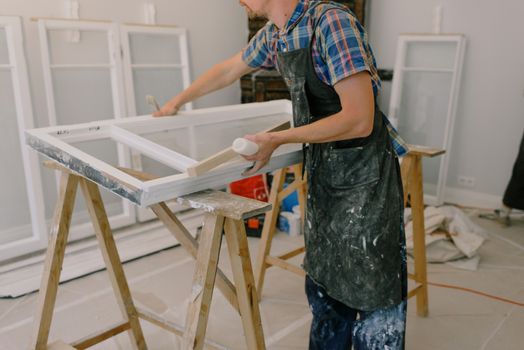
Many Edwardian sash windows have stood the test of time, but after more than a century, even the finest craftsmanship requires care and attention. Restoring these windows is both an art and a science, demanding respect for original materials and techniques.
Common issues include decayed timber, broken sash cords, and failing putty or glazing. Skilled craftsmen can repair or replace damaged sections using traditional joinery and period-appropriate materials. In fact, according to the Society for the Protection of Ancient Buildings (SPAB), up to 90% of original sash windows can be repaired rather than replaced—preserving both heritage and sustainability.
Modern restoration often involves upgrading weatherproofing or discreetly adding slim-profile double glazing to improve energy efficiency without compromising appearance. However, retaining the original glass, with its characteristic wavy texture and subtle imperfections, is highly valued for authenticity.
The rewards of restoration are manifold: not only does it protect a piece of architectural heritage, but it also enhances the beauty, comfort, and value of the home. Recent market data suggests that period properties with original or sympathetically restored sash windows command up to 15% higher resale values compared to similar homes with modern replacements.
Celebrating the Legacy of Edwardian Sash Window Craftsmanship
The enduring appeal of Edwardian sash windows lies not just in their visual charm but in the remarkable skills that brought them to life. Each window is a testament to the marriage of form and function, where elegant design meets practical engineering. Whether meticulously preserved in a heritage home or thoughtfully restored for modern living, these windows continue to inspire admiration for the craftsmen who made them—and the homeowners who cherish their legacy.
Understanding the details of Edwardian sash window craftsmanship deepens our appreciation for these historic features. From the careful selection of timber to the precise assembly of sashes and the subtlety of their decorative flourishes, every aspect speaks of an era when quality and artistry were paramount. As we look to maintain and celebrate our architectural heritage, Edwardian sash windows remain a shining example of what true craftsmanship can achieve.