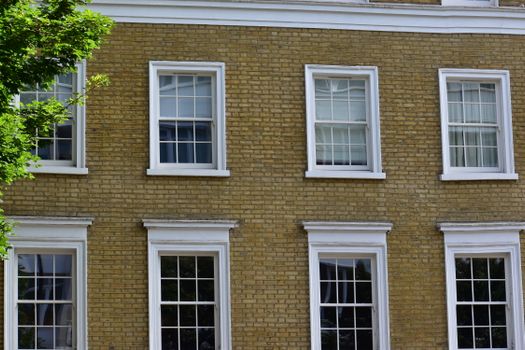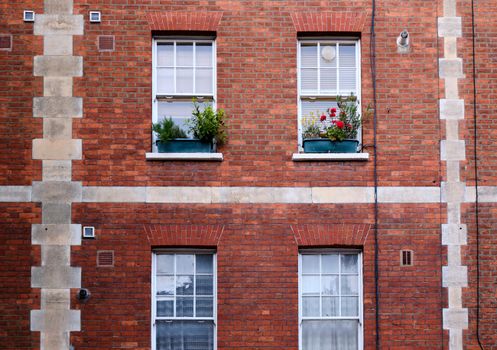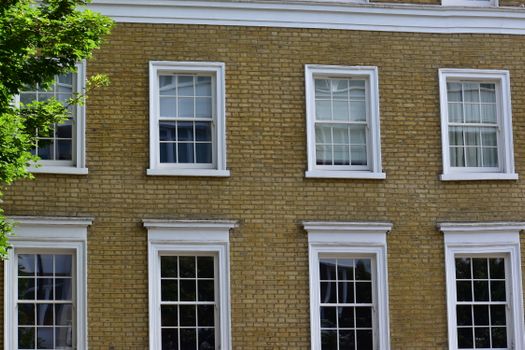
Sliding sash windows are a defining architectural feature across London, celebrated for their classic style and elegant proportions. Yet, as charming as they are, these traditional windows can present unique challenges when it comes to energy efficiency. With rising energy costs and an increasing focus on sustainability, ensuring that your sliding sash windows are as energy efficient as possible is more important than ever. Whether you live in a Victorian terrace in Islington, a Georgian townhouse in Kensington, or a more modern home in Greenwich, there are actionable steps and innovative solutions to optimize the energy performance of your sash windows—without sacrificing their historic character.
The Energy Challenge for London’s Sliding Sash Windows
London is home to more than 2.8 million households, and a significant proportion of these dwellings feature sliding sash windows. According to Historic England, an estimated 40% of London’s pre-1919 homes retain their original sash windows. While these windows contribute to the city’s unique heritage, they are notorious for their susceptibility to draughts, heat loss, and condensation.
The energy inefficiency of traditional sliding sash windows is largely due to their single-glazed panes, gaps around the sashes, and older materials. The UK Green Building Council reports that windows account for up to 25% of heat loss in the average home, and this figure can be significantly higher in properties with older, unmodified sash windows.
.png)
However, preserving London’s architectural legacy does not have to come at the expense of comfort or sustainability. By understanding the key factors that impact energy efficiency and exploring tailored improvement options, homeowners can make informed choices that benefit both their energy bills and the environment.
Understanding Energy Ratings and U-Values for Sash Windows
When considering the energy efficiency of sash windows, two key measurements come into play: Window Energy Ratings (WER) and U-values.
- Window Energy Ratings (WER): This standardized scale—from A++ (most efficient) to G (least efficient)—measures the overall energy performance of a window. It considers thermal efficiency, air leakage, and solar gain. - U-value: This indicates how much heat passes through a window, measured in W/m²K (watts per square meter per Kelvin). The lower the U-value, the better the insulation.Modern building regulations in England require replacement windows in existing homes to achieve a minimum U-value of 1.4 W/m²K. Traditional single-glazed sash windows typically have U-values of 5.0 W/m²K or higher, meaning they lose heat much faster than modern alternatives.
Below is a comparison table illustrating the difference in energy performance between various sash window options:
| Window Type | Typical U-value (W/m²K) | Estimated Annual Heat Loss (per window) | Energy Rating |
|---|---|---|---|
| Original Single-Glazed Sash | 5.0 - 5.8 | Up to 100 kWh | G |
| Retrofit Double-Glazed Sash | 1.4 - 1.7 | 40-50 kWh | B - C |
| Secondary Glazing (with Original Sash) | 1.8 - 2.5 | 50-60 kWh | C - D |
| New Timber Double-Glazed Sash | 1.2 - 1.4 | 35-45 kWh | A - B |
Retrofit Solutions: Enhancing Existing Sash Windows
For many London homeowners, especially those in conservation areas or listed properties, replacing original sash windows is either undesirable or not permitted. Fortunately, retrofitting offers a way to significantly boost energy efficiency while retaining the window’s historic charm.
1. $1 This involves fitting an additional pane of glass on the inside of your existing window. According to the Energy Saving Trust, secondary glazing can reduce heat loss by up to 60% compared to single glazing. Modern secondary glazing systems are discreet, often with slimline aluminium frames, and can be installed with minimal impact on the original window. 2. $1 Sash windows are prone to air leaks, which can account for as much as 15% of total heat loss. Professional draught proofing seals the gaps around the sashes, cords, and meeting rails using brush strips or rubber seals. Not only does this make your home warmer, but it also reduces outside noise and can save up to £40 per year on energy bills (based on a typical London home). 3. $1 For sashes in good condition, slim-profile double glazing units (IGUs) can sometimes be installed within the existing timber frames. These units use low-emissivity (Low-E) glass, which reflects heat back into the room while letting in natural light. This option is subject to planning restrictions in many London boroughs, so always check with your local authority.Replacement Options: Modern Sash Windows with Traditional Aesthetics
If your sash windows are beyond repair, or you want to achieve the highest possible energy efficiency, consider replacing them with new, high-performance sash windows. Advances in window manufacturing mean you no longer have to choose between energy efficiency and period style.
- $1 Modern timber sash windows can be precision-engineered to include double or even triple glazing, draught-proof seals, and energy-efficient coatings. Quality timber units have a lifespan of 60+ years if properly maintained. uPVC sash windows, while often less authentic in appearance, offer excellent insulation and are virtually maintenance-free. - $1 New double-glazed sash windows typically achieve U-values of 1.4 W/m²K or better. Triple-glazed units can reach as low as 0.8 W/m²K, though the extra weight may not suit all traditional sash frames. - $1 In London, over 1,000 conservation areas and numerous listed buildings mean that any replacement must often match the original style and material. Always consult your local planning authority before making changes.Smart Technologies to Boost Sash Window Efficiency
The integration of smart technology can further elevate the energy performance of your sliding sash windows. Here are some state-of-the-art options:
1. $1 Window sensors can alert you if a sash is left open, helping to avoid unnecessary heat loss. Some smart thermostats can even adjust your heating based on whether windows are open or closed. 2. $1 These transparent films are applied to the glass and can reduce heat loss by up to 30%, according to studies by the Building Research Establishment (BRE). They work by reflecting radiant heat back into your home and are fully reversible—ideal for listed buildings. 3. $1 Timed or sensor-driven blinds can be programmed to close at dusk, adding an extra layer of insulation and reducing night-time heat loss by up to 17%, as confirmed by the London Energy Efficiency Partnership.Cost-Benefit Analysis: Is Upgrading Worth It?
While the initial investment in upgrading sash windows can be substantial, the long-term savings and comfort improvements are significant. Draught-proofing typically costs between £200 and £400 per window, while secondary glazing can range from £300 to £900 per window. Full replacement with double-glazed timber sashes may cost £1,000 to £1,800 per window.
However, the savings on energy bills can be dramatic. The Energy Saving Trust estimates that upgrading single-glazed windows to double glazing in a typical semi-detached London house can save between £150 and £200 per year on heating. Moreover, improved comfort, reduced condensation, and increased property value add further return on investment.
Preserving Character While Enhancing Performance
London’s sash windows are not just functional—they are part of the city’s visual identity. Ensuring their energy efficiency doesn’t have to mean compromising on style or heritage. By combining sympathetic retrofits, smart technologies, and careful consideration of materials and glazing options, it is entirely possible to enjoy a warm, quiet, and sustainable home without erasing the past.