In the realm of architecture and interior design, the choice of windows can significantly influence both the aesthetic and functionality of a building. Bespoke joinery, with its rich tradition of craftsmanship, offers an exceptional option for those seeking customized, quality windows that reflect both personal style and architectural integrity.
Understanding Bespoke Joinery
Bespoke joinery is the art of creating custom-made joinery pieces tailored to the specific requirements of a client. In the context of windows, this means crafting units that are not only a perfect fit in terms of size but also harmonize with the building's architectural style and the owner's personal taste.
.png)
The Bespoke Process
The journey of creating bespoke windows begins with a detailed consultation to capture the client’s vision and the architectural needs. This client-centered approach is what sets bespoke windows apart from their off-the-shelf counterparts. Every aspect, from the initial design to the final installation, is handled with meticulous attention to detail.
Choice of Materials
Selecting the right materials is crucial in bespoke joinery. Craftsmen typically opt for high-end woods like oak, mahogany, or walnut, renowned for their durability and natural elegance. The choice of wood impacts not just the window's durability but also its aesthetic, as the natural grain and color of the wood contribute significantly to the visual appeal.
Craftsmanship and Techniques
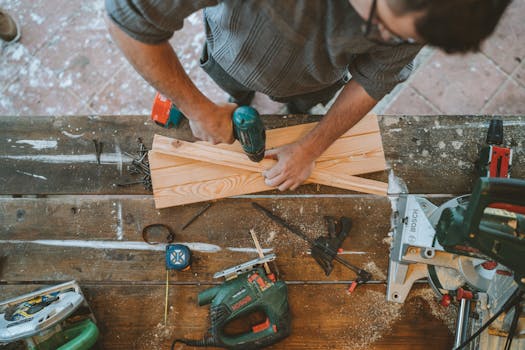
The actual making of bespoke windows is a labor of love, involving traditional woodworking techniques that have stood the test of time. Skills such as creating strong mortise and tenon joints are essential, ensuring that the windows are not only visually appealing but also structurally robust. Modern tools may also be employed to enhance precision, marrying the old with the new in a seamless blend of technology and tradition.
Customization and Detailing
Customization is at the heart of bespoke joinery. Clients can choose from a variety of designs, from vintage styles with elaborate moldings and classic patterns to more contemporary, minimalist designs with sleek lines. Special features like unique window casings, specialized glazing, or integrated security elements can also be incorporated to meet specific needs.
Finishing Touches
A well-applied finish is vital for protecting the wood from the elements and extending the life of the windows, besides adding to the beauty of the product. Options include various stains, varnishes, and paints, each selected based on the type of wood and the desired aesthetic effect. The application is performed with great care to ensure durability and resistance to weathering.
Installation
The final step in the bespoke process is the installation of the windows. Proper installation is critical to ensure that the windows operate smoothly and efficiently. This phase is typically overseen by the craftsmen who built the windows to ensure perfect alignment and functionality.
Conclusion
Bespoke joinery offers an unparalleled option for those who value individuality and quality in their building projects. It represents a deep commitment to craftsmanship, where every window is not just a fixture but a piece of art. Whether for a new construction project or a historical restoration, bespoke windows crafted through skilled joinery enhance both the beauty and performance of any building, making them a wise investment in the long term.